Molecular Characteristics
Complete Specifications
Structural Composition
Ac-Ser-Asp-Lys-Pro-Asp-Met-Ala-Glu-Ile-Glu-Lys-Phe-Asp-Lys-Ser-Lys-Leu-Lys-Lys-Ala-Gly-Glu-Lys-Ala-Glu-Asp-Gly-Glu-Asp-Ala-Glu-Asp-Asp-Ala-Gly-Gly-Glu-Ala-Pro-Glu-Ala-Glu
Physical Properties
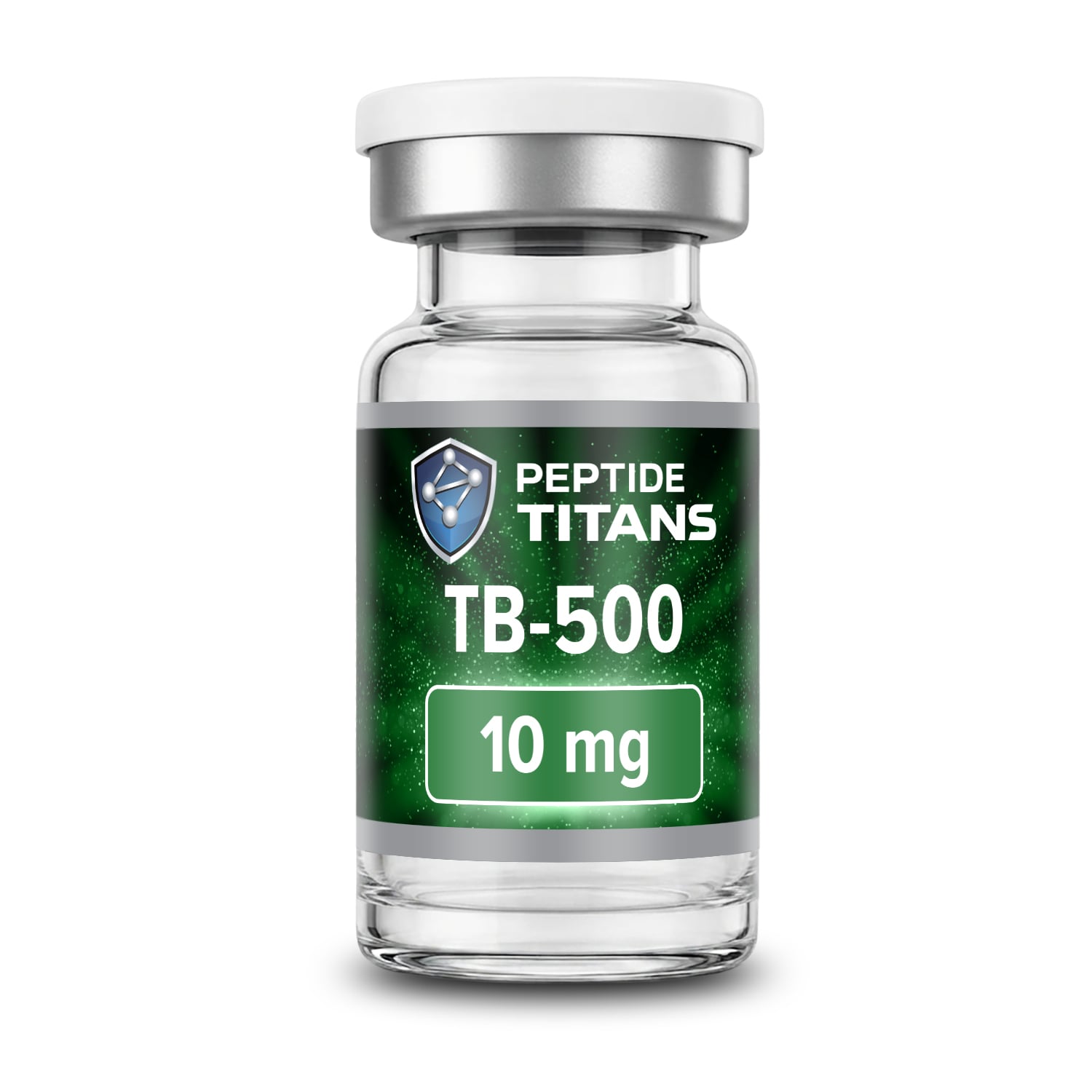
TB-500 is a 43-amino-acid synthetic polypeptide modeled after Thymosin Beta-4. Its extended sequence and acetylated N-terminus contribute to enhanced molecular stability and resistance to rapid degradation under controlled research conditions. The peptide contains a high proportion of charged and polar residues, supporting strong aqueous solubility. The balanced distribution of acidic and basic amino acids may influence intermolecular interactions and structural flexibility, making TB-500 suitable for a wide range of laboratory and analytical applications.
Analysis & Documentation
Identity
Each production lot is checked against the reference structure recorded for this compound:
- Classification — Synthetic polypeptide (Thymosin Beta-4 analog)
- Molecular formula — C₂₁₂H₃₅₀N₅₆O₇₈S
- Expected mass — ~4,963 Da
- CAS registry — 77591-33-4
- Chain length — 43 amino acids
- PubChem CID — 16129678
Analytical Methods
Testing is carried out per lot by an independent laboratory. The methods measure what the material is and how much of it is the target compound:
- RP-HPLC — reverse-phase separation of the target from process-related impurities; purity is reported as area percent of the main peak
- Mass spectrometry — observed mass compared against the expected molecular mass above
- Retention time — compared against a reference standard run under the same conditions
- Chromatogram — reproduced on the certificate so the peak and any shoulders can be inspected directly
Material & Documentation
What arrives, and how to tie it back to its paperwork:
- Appearance as supplied — White to off-white lyophilized powder
- Solubility — Water, phosphate-buffered saline (PBS)
- Lot number — printed on the container label and used to look up the certificate
- Certificate — indexed by lot at Certificates of Analysis
Laboratory Handling and Storage Protocols
Lyophilized Powder Storage
- Store at –20°C to –80°C in the original, sealed vial
- Protect from light exposure and moisture
- A desiccated storage environment is recommended
- Stability data suggests extended stability when stored at −20 °C or below.
Reconstituted Solution Storage
- Short-term storage: Up to 7 days at 4°C
- Long-term storage: Store at –20°C in aliquots
- Use single-use aliquots to preserve peptide integrity
- Minimize freeze–thaw cycles; single-use aliquots are strongly recommended
Stability Characteristics
TB-500 exhibits a relatively strong stability profile compared to many research peptides. Experimental observations suggest it maintains structural integrity under properly controlled laboratory and storage conditions, with good solubility and resistance to rapid degradation when handled according to standard peptide protocols. This stability supports flexibility in experimental design, storage, and analytical handling within research environments.
Frequently Asked Questions
What is TB-500?
TB-500 is a synthetic peptide fragment derived from Thymosin Beta-4. It is supplied as a lyophilized powder for laboratory use, with identity and purity reported per lot on the Certificate of Analysis.0 is intended for research use only and is not approved for human or veterinary use.
Is TB-500 the same as Thymosin Beta-4 (TB-4)?
Not exactly. TB-500 is a shortened, synthetic fragment of Thymosin Beta-4. While they share overlapping sequences, TB-500 is not identical to full-length TB-4 and may behave differently in research contexts.
How is TB-500 supplied?
TB-500 is typically supplied as a lyophilized (freeze-dried) powder in sterile vials. This form allows for improved stability during storage and shipping prior to reconstitution in a laboratory setting.
How should unreconstituted TB-500 be stored?
Lyophilized TB-500 should be stored:
-
Long-term: −20 °C to −80 °C (freezer)
-
Short-term (up to 3 months): 2–8 °C (refrigerated)
Vials should remain sealed, protected from light and moisture, and allowed to reach room temperature before opening to prevent condensation.
Does TB-500 require a Certificate of Analysis (COA)?
Yes. A Certificate of Analysis (COA) should be available for each batch, confirming identity, purity, and analytical testing results. COAs help ensure consistency and transparency for research applications.
Is TB-500 approved by the FDA?
No. TB-500 is not FDA-approved as a drug, supplement, or therapy. It is sold strictly as a research compound and must not be marketed for diagnostic, therapeutic, or human consumption purposes.
Can TB-500 be combined with other peptides in research?
In experimental settings, researchers may study TB-500 alongside other peptides to evaluate synergistic or comparative effects. Any such use should follow proper laboratory protocols and ethical research standards.
Research Background
For a referenced overview of what the published research examines — including why TB-500 and thymosin beta-4 are not strictly the same thing — see What Is TB-500? Thymosin Beta-4 Research Background. It cites peer-reviewed sources and contains no dosing guidance.
This product is not for human consumption. It is sold strictly for research and educational purposes and is not intended to diagnose, treat, cure, or prevent any disease.
Any clinical data or research information referenced on this page is derived from peer-reviewed scientific literature and official publications. This information is provided for educational reference only and does not constitute medical advice or product claims.
By purchasing this product, you acknowledge that you are a qualified researcher and agree to use it in full compliance with all applicable laws and regulations.