Molecular Characteristics
Complete Specifications
Structural Composition
D-retro-inverso analog of the FOXO4 p53-interaction domain peptide sequence
Physical Properties
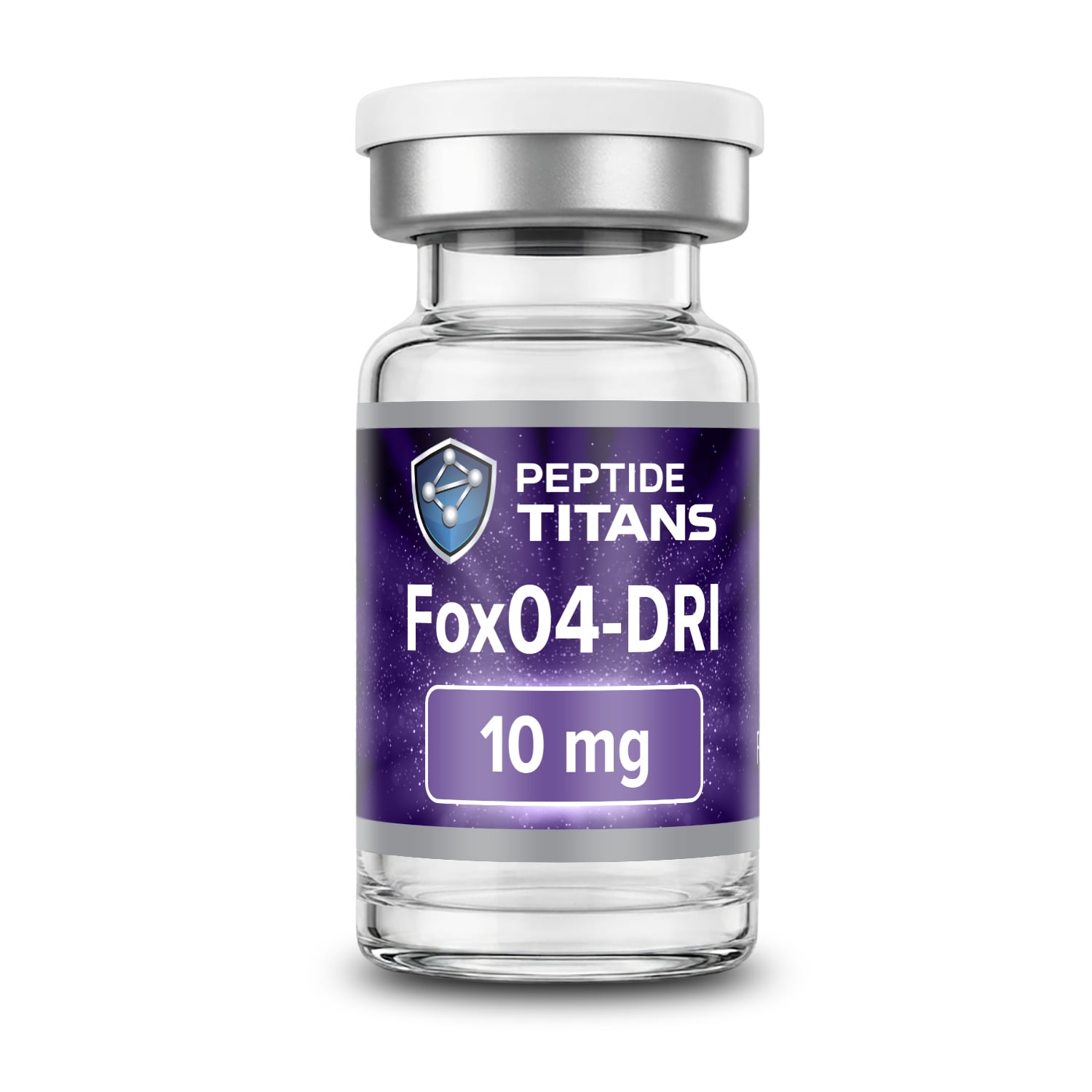
FOXO4-DRI is a synthetic peptide engineered using a D-retro-inverso configuration, meaning the amino acid sequence is reversed and composed of D-amino acids rather than the naturally occurring L-forms. This structural modification enhances resistance to enzymatic degradation and increases stability under controlled research conditions. The peptide’s modified backbone contributes to improved structural persistence compared to conventional L-peptides. Lyophilized storage and protection from moisture, light, and repeated freeze–thaw cycles help maintain analytical consistency for laboratory applications.
Research Applications
Cellular Senescence and Aging Research
FOXO4-DRI is utilized as a research compound in studies examining cellular senescence and age-related signaling mechanisms. Laboratory investigations focus on its role in:
- Senescent Cell Targeting Models: Investigation of selective interactions with senescent cell populations in experimental systems
- FOXO4–p53 Interaction Studies: Evaluation of peptide-mediated disruption of FOXO4 and p53 signaling complexes
- Apoptosis Pathway Research: Analysis of programmed cell death signaling mechanisms in aged or stressed cells
- Cell Cycle Arrest Models: Examination of regulatory pathways associated with senescence-related growth arrest
- DNA Damage Response Studies: Investigation of signaling cascades activated under genomic stress conditions
Experimental protocols commonly employ senescent cell cultures, molecular interaction assays, and apoptosis detection systems to characterize FOXO4-DRI–mediated cellular responses.
Longevity and Cellular Maintenance Research
FOXO4-DRI has been examined in research contexts involving cellular maintenance and aging-related pathway modulation. Key areas of investigation include:
- Senescence-Associated Secretory Phenotype (SASP) Studies: Evaluation of inflammatory mediator expression in senescent cells
- Tissue Microenvironment Research: Investigation of cellular cross-talk between senescent and neighboring cells
- Oxidative Stress Signaling: Analysis of redox-related pathways associated with aging cellular systems
- Stem Cell Niche Interaction Models: Research into signaling effects within regenerative cellular environments
- Cellular Renewal Mechanisms: Examination of adaptive tissue responses following senescent cell modulation
These studies utilize biomarker profiling, gene expression analysis, and tissue culture systems to evaluate aging-related cellular dynamics.
Inflammatory and Stress Response Research
FOXO4-DRI has also been explored in research models examining inflammatory and stress-related signaling pathways, including:
- Cytokine Expression Profiling: Evaluation of inflammatory mediator patterns in senescent environments
- Cell Survival and Death Signaling: Investigation of balance between protective and apoptotic pathways
- Autophagy Regulation Models: Research into cellular recycling pathways during senescence modulation
- Genomic Stability Studies: Examination of chromosomal integrity under stress conditions
Laboratory protocols assess inflammatory markers, apoptosis indicators, and genomic stability using biochemical and imaging-based techniques.
Cellular Signaling and Regulatory Pathway Research
Additional research applications explore FOXO4-DRI’s influence on intracellular regulatory systems, including:
- FOXO Transcription Factor Signaling: Investigation of downstream transcriptional regulation mechanisms
- p53 Pathway Modulation: Analysis of tumor suppressor signaling balance under experimental conditions
- Signal Transduction Cascades: Research into intracellular pathways influencing cellular aging responses
- Homeostatic Regulation Systems: Examination of feedback mechanisms maintaining cellular equilibrium
Research in this domain focuses on understanding how FOXO4-DRI influences senescence-associated signaling, apoptosis pathways, and cellular maintenance systems under controlled experimental conditions.
Laboratory Handling and Storage Protocols
Lyophilized Powder Storage
- Store at –20°C to –80°C in the original, sealed vial
- Protect from light exposure and moisture
- A desiccated storage environment is recommended
- Stability data suggests extended stability when stored at −20 °C or below.
Reconstituted Solution Storage
- Short-term storage: Up to 7 days at 4°C
- Long-term storage: Store at –20°C in aliquots
- Use single-use aliquots to preserve peptide integrity
- Minimize freeze–thaw cycles; single-use aliquots are strongly recommended
Stability Characteristics
FOXO4-DRI is a synthetic peptide research compound that demonstrates stable handling characteristics when managed according to standard peptide laboratory protocols. Proper cold storage of the lyophilized material, careful reconstitution, and minimized freeze–thaw exposure help preserve structural integrity and solubility. When handled appropriately, FOXO4-DRI supports consistent use in in vitro and analytical research applications.
Frequently Asked Questions
What is FOXO4-DRI?
FOXO4-DRI is a modified peptide engineered to disrupt the FOXO4–p53 protein interaction in experimental research models. It is commonly used as a tool compound in senescence and cellular aging studies.
What does “DRI” mean?
“DRI” stands for D-retro-inverso, a structural modification in which amino acids are reversed and synthesized using D-enantiomers. This design increases peptide stability and resistance to enzymatic degradation in research models.
What is FOXO4-DRI commonly researched for?
In experimental and preclinical settings, FOXO4-DRI is studied for:
-
Cellular senescence mechanisms
-
Apoptosis pathway research
-
Aging and longevity pathway investigation
-
Protein–protein interaction disruption models
All applications are exploratory and conducted in controlled laboratory environments.
Is FOXO4-DRI a naturally occurring peptide?
No. FOXO4-DRI is a synthetically engineered peptide designed specifically for research purposes and does not occur naturally in biological systems.
How is FOXO4-DRI supplied?
FOXO4-DRI is typically supplied as a lyophilized (freeze-dried) powder in sealed research vials to maintain stability during storage and shipment.
How should unreconstituted FOXO4-DRI be stored?
Lyophilized FOXO4-DRI should be stored:
-
Long-term: −20 °C to −80 °C
-
Short-term: 2–8 °C
Keep vials sealed and protected from light and moisture until use.
How should reconstituted FOXO4-DRI be handled and stored?
Once reconstituted:
-
Store at 2–8 °C for short-term laboratory use
-
For extended storage, aliquot and freeze at −20 °C or below
-
Minimize freeze–thaw cycles using single-use aliquots
-
Gently swirl to mix; avoid vigorous agitation
Is FOXO4-DRI FDA-approved?
No. FOXO4-DRI is not FDA-approved as a drug, supplement, or therapeutic product. It is sold exclusively as a research compound and must not be marketed or used for diagnostic, therapeutic, or consumption purposes.
Does FOXO4-DRI require a Certificate of Analysis (COA)?
Yes. A Certificate of Analysis (COA) should be available for each batch, verifying identity, purity, and analytical testing results to ensure research quality and traceability.
This product is not for human consumption. It is sold strictly for research and educational purposes and is not intended to diagnose, treat, cure, or prevent any disease.
Any clinical data or research information referenced on this page is derived from peer-reviewed scientific literature and official publications. This information is provided for educational reference only and does not constitute medical advice or product claims.
By purchasing this product, you acknowledge that you are a qualified researcher and agree to use it in full compliance with all applicable laws and regulations.