
Molecular Characteristics
Complete Specifications
Structural Composition
Cys-Tyr-Ile-Gln-Asn-Cys-Pro-Leu-Gly-NH₂
Physical Properties
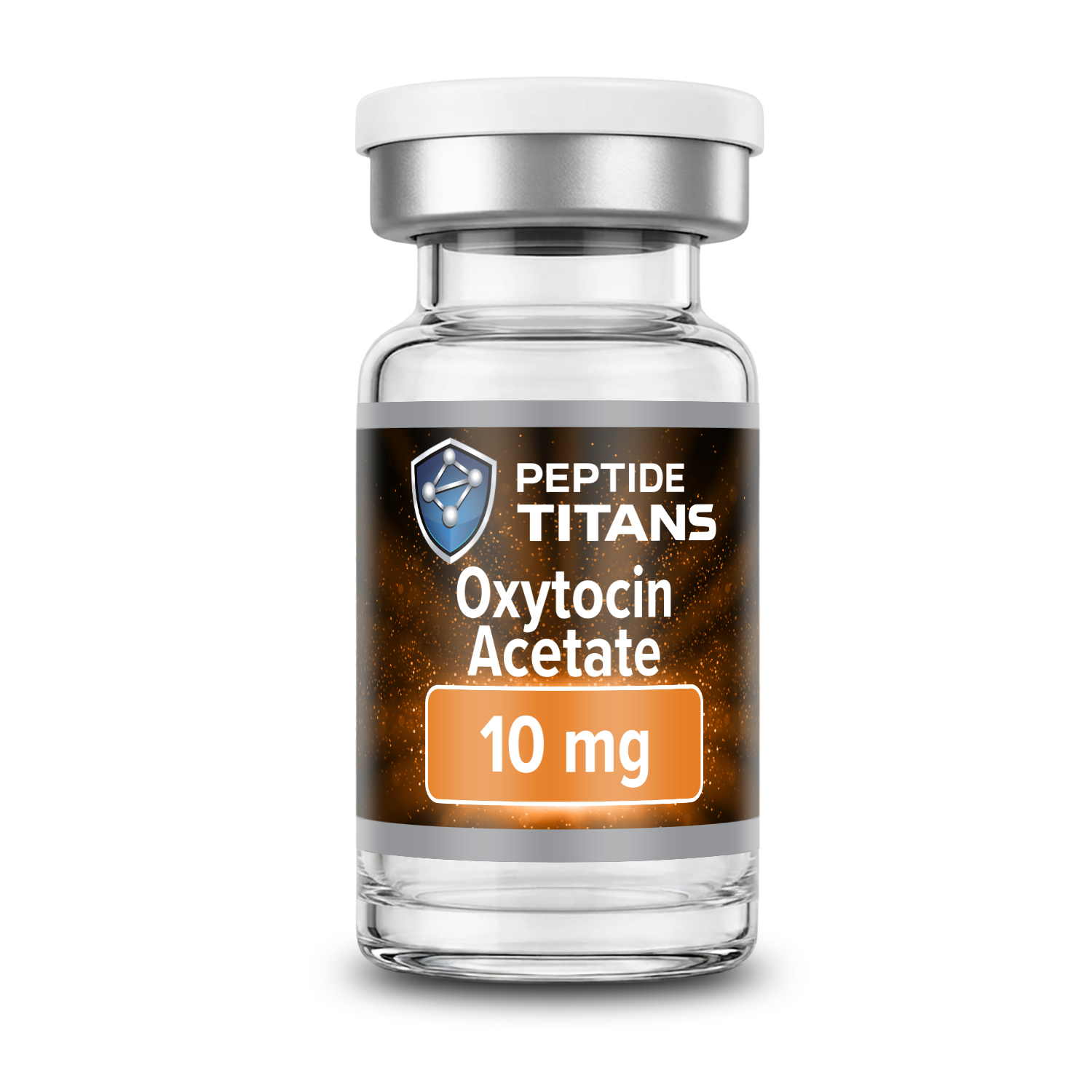
Oxytocin is a synthetic cyclic nonapeptide identical to the endogenous hormone, characterized by a disulfide bond between cysteine residues that forms a stable cyclic structure. The cyclic configuration enhances conformational stability compared to linear peptides. As a short peptide hormone, it is susceptible to enzymatic degradation in biological systems; therefore, lyophilized storage under cold, dry conditions is recommended. Protection from moisture, light exposure, and repeated freeze–thaw cycles helps maintain structural integrity and analytical consistency during research applications.
Research Applications
Oxytocin Receptor Signaling Research
Oxytocin is utilized as an endogenous peptide hormone in research studies examining oxytocin receptor (OXTR) activation and downstream intracellular signaling pathways. Laboratory investigations focus on its role in:
- OXTR Binding Models: Investigation of receptor affinity, ligand–receptor kinetics, and signaling specificity
- Calcium Mobilization Studies: Evaluation of intracellular Ca²⁺ flux and phospholipase C pathway activation
- G-Protein–Coupled Receptor Research: Analysis of Gq/11-mediated signaling cascades
- Second Messenger Pathway Models: Examination of IP3/DAG-associated intracellular signaling mechanisms
- Receptor Desensitization Studies: Investigation of adaptive responsiveness following repeated stimulation
Experimental protocols commonly employ receptor-binding assays, calcium imaging techniques, and intracellular signaling analyses to characterize oxytocin-mediated responses.
Neuroendocrine and Social Behavior Research
Oxytocin has been extensively studied in research models examining neuroendocrine regulation and social signaling pathways. Key areas of investigation include:
- Hypothalamic Signaling Models: Evaluation of peptide release dynamics and central regulatory mechanisms
- Amygdala and Limbic System Studies: Investigation of neural circuits associated with social processing
- Neurotransmitter Interaction Research: Analysis of cross-talk with dopaminergic and serotonergic pathways
- Stress Response Modulation: Research into HPA-axis signaling interactions under experimental conditions
- Behavioral Signaling Models: Examination of central receptor activation patterns in controlled laboratory systems
These studies utilize neuroimaging models, hormone quantification assays, and electrophysiological techniques to evaluate oxytocin-associated signaling outcomes.
Reproductive and Smooth Muscle Signaling Research
Oxytocin has also been explored in research models examining smooth muscle contraction and reproductive tissue–associated signaling mechanisms, including:
- Uterine Smooth Muscle Models: Evaluation of contractile signaling pathways under receptor activation
- Mammary Tissue Signaling Studies: Investigation of myoepithelial contraction mechanisms
- Calcium-Dependent Contraction Research: Analysis of intracellular signaling cascades regulating contractile responses
- Hormonal Feedback Interaction Studies: Examination of coordinated endocrine signaling systems
Laboratory protocols assess contractility markers, calcium signaling dynamics, and receptor expression levels using biochemical and imaging-based techniques.
Cellular Signaling and Homeostatic Regulation Research
Additional research applications explore oxytocin’s influence on intracellular regulatory systems involved in endocrine balance and adaptive signaling, including:
- MAPK and ERK Pathway Studies: Investigation of downstream cascades associated with receptor activation
- Gene Expression Profiling: Analysis of transcriptional responses linked to OXTR signaling
- Receptor Sensitivity Research: Examination of adaptive signaling and desensitization mechanisms
- Integrated Neuroendocrine Network Models: Analysis of coordinated hormonal and neural regulatory systems
Research in this domain focuses on understanding how oxytocin influences receptor-mediated signaling, neuroendocrine regulation, smooth muscle activity, and homeostatic balance under controlled experimental conditions.
Laboratory Handling and Storage Protocols
Lyophilized Powder Storage
- Store at –20°C to –80°C in the original, sealed vial
- Protect from light exposure and moisture
- A desiccated storage environment is recommended
- Stability data suggests extended stability when stored at −20 °C or below.
Reconstituted Solution Storage
- Short-term storage: Up to 7 days at 4°C
- Long-term storage: Store at –20°C in aliquots
- Use single-use aliquots to preserve peptide integrity
- Minimize freeze–thaw cycles; single-use aliquots are strongly recommended
Stability Characteristics
Oxytocin is a synthetic peptide research compound that demonstrates stable handling characteristics when managed according to standard peptide laboratory protocols. Proper cold storage of the lyophilized material, protection from light, careful reconstitution, and minimized freeze–thaw exposure help preserve structural integrity and solubility. When handled appropriately, Oxytocin supports consistent use in in vitro and analytical research applications.
Frequently Asked Questions
What is Oxytocin?
Oxytocin is a nine–amino acid peptide hormone naturally produced in the body. In research environments, it is used to study neuroendocrine signaling and receptor-mediated cellular mechanisms.
What is Oxytocin commonly researched for?
In laboratory and preclinical models, oxytocin is studied for:
-
Oxytocin receptor (OXTR) activation
-
Social behavior and bonding pathway research
-
Neurotransmitter interaction studies
-
Hypothalamic–pituitary signaling mechanisms
-
Smooth muscle receptor pathway investigation
All applications are exploratory and conducted in controlled research settings.
Is Oxytocin a naturally occurring peptide?
Yes. Oxytocin is naturally synthesized in the human body. Synthetic oxytocin used in research replicates this endogenous peptide sequence.
Is research-grade Oxytocin the same as pharmaceutical Oxytocin?
No. Research-grade oxytocin is supplied strictly for laboratory use and is not manufactured, labeled, or approved as a pharmaceutical preparation. It must not be marketed as a medical product.
How is Oxytocin supplied?
Oxytocin is typically supplied as a lyophilized (freeze-dried) powder in sealed research vials to maintain stability during storage and transport.
How should unreconstituted Oxytocin be stored?
Lyophilized peptide should be stored:
-
Long-term: −20 °C to −80 °C
-
Short-term: 2–8 °C
Keep vials sealed and protected from light and moisture.
How should reconstituted Oxytocin be handled and stored?
Once reconstituted:
-
Store at 2–8 °C for short-term laboratory use
-
For extended storage, aliquot and freeze at −20 °C or below
-
Minimize freeze–thaw cycles using single-use aliquots
-
Gently swirl to mix; avoid vigorous agitation
Does Oxytocin require a Certificate of Analysis (COA)?
Yes. A Certificate of Analysis (COA) should be available for each batch, verifying the identity and purity of each peptide component within the blend to ensure research quality and traceability.
Is Oxytocin FDA-approved?
When sold as a research compound, oxytocin is not FDA-approved for diagnostic, therapeutic, or consumption purposes and must be marketed strictly for laboratory research use.
This product is not for human consumption. It is sold strictly for research and educational purposes and is not intended to diagnose, treat, cure, or prevent any disease.
Any clinical data or research information referenced on this page is derived from peer-reviewed scientific literature and official publications. This information is provided for educational reference only and does not constitute medical advice or product claims.
By purchasing this product, you acknowledge that you are a qualified researcher and agree to use it in full compliance with all applicable laws and regulations.