Molecular Characteristics
Complete Specifications
Structural Composition
Sterile water containing 0.9% benzyl alcohol as a bacteriostatic preservative
Physical Properties
Bacteriostatic Water is a sterile aqueous solution containing benzyl alcohol as an antimicrobial preservative, allowing for multiple withdrawals under controlled laboratory conditions. The presence of benzyl alcohol inhibits bacterial growth, supporting extended usability compared to non-preserved sterile water. As a non-peptide solution, it is not subject to enzymatic degradation. Storage at controlled room temperature and protection from contamination help maintain sterility and solution integrity for research applications.
Laboratory Handling and Storage Protocols
Solution Storage
- Store at 20–25 °C (room temperature) or 2–8 °C (refrigerated)
- Keep in the original, sterile, tightly sealed container
- Protect from direct light and excessive heat
- Do not freeze
- Maintain aseptic conditions when handling to preserve sterility
Usage Guidelines
- Intended for use as a diluent for laboratory compounds requiring sterile aqueous preparation
- Contains 0.9% benzyl alcohol as a preservative to inhibit microbial growth
- Always use sterile technique when withdrawing solution
- Avoid introducing contaminants into the vial
- Do not use if solution appears cloudy, discolored, or contains particulates
Opened Vial Handling
- After first use, store at 2–8 °C or room temperature
- Maintain sterile handling practices for each use
- Discard according to laboratory protocol if contamination is suspected
- Typical laboratory use window: up to 28 days after initial puncture under proper handling conditions
Stability Characteristics
Bacteriostatic Water is a sterile aqueous solution formulated with a preservative to maintain microbial resistance after initial use. Stability is maintained when stored under recommended conditions and handled using proper aseptic technique. It supports consistent use as a reconstitution medium in laboratory and analytical research applications.
Frequently Asked Questions
What is Bacteriostatic Water?
Bacteriostatic water is sterile water containing a bacteriostatic preservative (usually benzyl alcohol) that helps prevent microbial growth after the container has been opened.
What does “bacteriostatic” mean?
“Bacteriostatic” refers to the ability to inhibit the growth and reproduction of bacteria, rather than killing them outright. This helps extend usability in multi-use settings under proper handling conditions.
How does it differ from sterile water?
- Bacteriostatic Water: Contains a preservative (e.g., benzyl alcohol) and is suitable for multi-use scenarios
- Sterile Water: Contains no preservative and is typically intended for single-use applications
How is Bacteriostatic Water supplied?
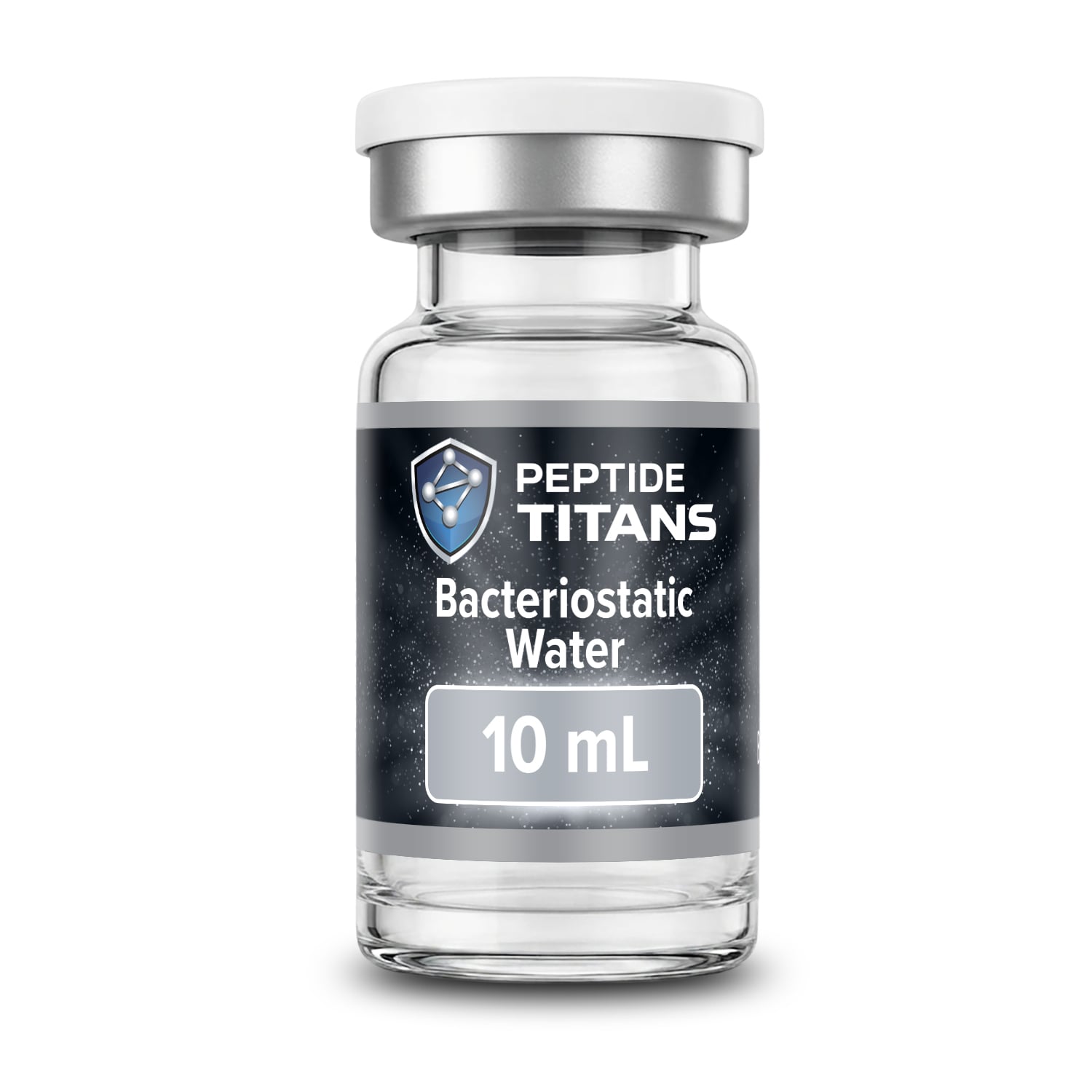
Bacteriostatic water is typically supplied as a sterile liquid in sealed vials, often with rubber stoppers designed for multiple punctures under aseptic conditions.
How should Bacteriostatic Water be stored?
Bacteriostatic water should be stored:
- At controlled room temperature
- Protected from excessive heat and direct light
- In its original sealed container
How long can it be used after opening?
In research settings, bacteriostatic water is often used for multiple entries, but proper aseptic technique is critical. Follow manufacturer guidelines for handling and discard timelines.
Does Bacteriostatic Water require a Certificate of Analysis (COA)?
Yes. A Certificate of Analysis (COA) or sterility documentation should be available, verifying quality, sterility, and composition (including benzyl alcohol concentration).
Is Bacteriostatic Water FDA-approved?
When sold as a research supply, bacteriostatic water is not intended for diagnostic, therapeutic, or consumption purposes and must be used strictly in laboratory settings.
This product is not for human consumption. It is sold strictly for research and educational purposes and is not intended to diagnose, treat, cure, or prevent any disease.
Any clinical data or research information referenced on this page is derived from peer-reviewed scientific literature and official publications. This information is provided for educational reference only and does not constitute medical advice or product claims.
By purchasing this product, you acknowledge that you are a qualified researcher and agree to use it in full compliance with all applicable laws and regulations.